
During the hottest days of summer, we take special measures to support the welfare of our animals. Shaded resting areas, pools, showers, fresh drinking water and other species-specific solutions help them regulate their body temperature naturally. We also pay special attention to our plants, visitors and staff during periods of extreme heat.
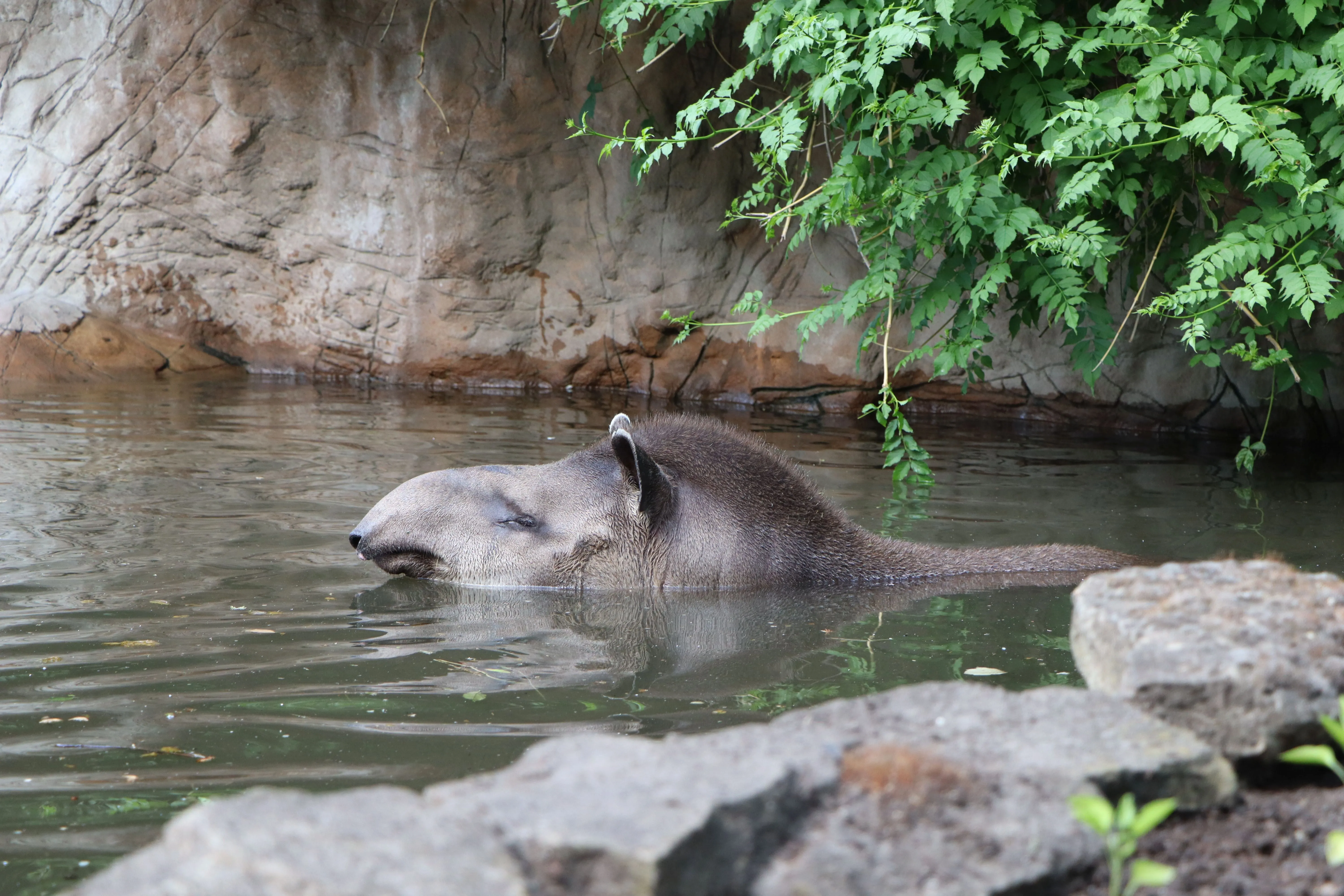
Every summer, our Zoo prepares carefully for hot weather. In recent years, the number of extremely hot days has increased noticeably, making appropriate animal care more important than ever. Our main goal is to support the animals’ natural ways of regulating their body temperature.
Each species has its own thermoneutral temperature range, within which the body does not need to use extra energy for cooling or warming.
When temperatures rise above this range, animals respond using a variety of natural mechanisms. They become less active, eat less, seek shade or water, and lose excess body heat through evaporation—for example by panting, sweating or, in the case of birds, gular fluttering.
To support these natural behaviours, our animal enclosures provide both sunny and shaded areas, as well as sheltered and well-ventilated spaces. Many species also have access to pools, allowing them to choose the most comfortable place.
Our animal keepers also use species-specific methods. The elephants are regularly showered with hoses, while the orangutans have access to a shower system. In the African penguin enclosure, shade sails provide protection from direct sunlight, and a misting system offers additional cooling, which the penguins use willingly.
Fresh drinking water and moisture-rich food are especially important during hot weather, as animals need more water when cooling themselves through evaporation.
Food frozen inside blocks of ice is used mainly as a form of environmental enrichment. The purpose is not primarily to cool the animals, but to encourage natural behaviours by giving them a rewarding challenge as they work to reach the food. Interestingly, very cold food or drinks do not necessarily cool the body more effectively, as warming them requires additional energy.
The Zoo also benefits from a favourable microclimate compared with many other parts of the city. Extensive vegetation, the shade provided by mature trees and numerous water surfaces help reduce heat stress throughout the grounds.
During periods of extreme heat, we also pay extra attention to our plants, visitors and staff. The plants are watered more frequently, drinking fountains and misting stations are available for visitors, and our staff receive additional refreshments to help them stay hydrated.