
In recent days, we have experienced particularly cold weather and heavy snowfall compared to what has become typical in recent winters. At times like this, many visitors wonder how the animals at our Zoo are coping and whether the snow and low temperatures might cause them problems. There is no need for concern, however, as we are well prepared even for severe winter conditions.
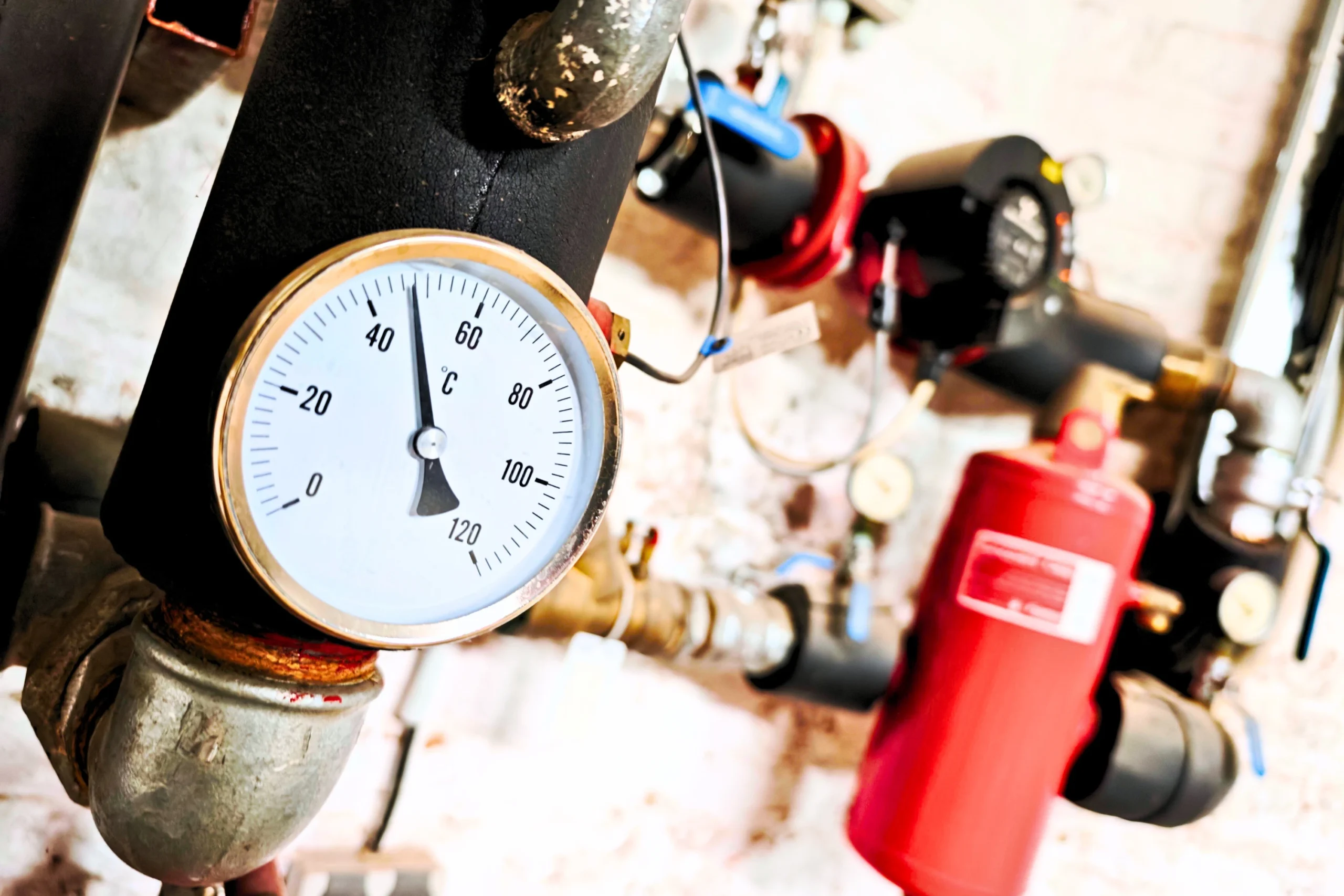
The animals living in our Zoo have very different temperature requirements. This is not surprising, as they include species native to tropical and subtropical regions, as well as to temperate and cold climates, all adapted to the conditions of their natural habitats. We take these needs into account in their daily care and have designed their enclosures so that suitable temperature conditions can be ensured for each species.
Weather conditions in nature are never completely constant, and temperatures also change. For this reason, all animals have their own mechanisms of temperature regulation. The effectiveness of this depends on whether the animal is warm-blooded, more precisely homeothermic, or cold-blooded, meaning ectothermic. In ectothermic animals, body temperature can vary within relatively wide limits. This has certain disadvantages: for example, many reptiles can only move efficiently after spending time basking in the sun. In addition, most cold-blooded animals cope poorly with cold climates. On the other hand, they require relatively little food compared to their body size. In contrast, warm-blooded animals have a much higher metabolic rate, maintain a nearly constant body temperature, and therefore need more energy and a greater amount of food. This is why, although many mammals and birds are adapted to polar conditions, there are hardly any reptile species native to such regions.
The temperature range that is most ideal for animals is referred to by specialists studying animal energetics as the thermoneutral, or thermally neutral, zone. At this temperature, the heat produced by metabolic processes is in balance with heat exchange between the body and the environment, so the animal does not need to spend energy on either cooling or heating. When the ambient temperature rises above this range, cooling mechanisms of thermoregulation become active. These usually remove excess heat through evaporation, for example by sweating, panting, or, in the case of birds, throat fluttering. Animals also tend to seek cooler places, move less, and eat less, as both movement and digestion generate heat. When the environmental temperature falls below the thermoneutral range, animals reduce heat loss and begin to generate additional heat. In practice, this means increased metabolic activity and improved insulation of the body surface, for example by fluffing up fur or feathers. At such times, animals also seek warmer, more sheltered places.
Animals therefore adapt to temperature changes through physiological regulation and behavioral responses. However, these mechanisms have limits, with both lower and upper thresholds of temperature tolerance. These limits generally reflect the typical weather and temperature conditions of the species’ natural habitats.
Since most of the animals in our Zoo originate from climates warmer than that of Hungary, they require heating during the winter period, much like people heat their homes. In fact, even more consistently. In autumn, when cooler weather arrives for only a short time, people often delay turning on their heating and instead dress more warmly. Zoo animals, however, cannot be given sweaters, so heating is needed even during brief cold spells. As a result, the heating season at the Zoo is usually somewhat longer than in private homes.
The technical solutions used for heating have changed over time. Initially, individual stoves were installed in animal houses. In the early 20th century, more advanced heating systems began to be developed. For many decades, the Zoo was heated with coke, with as much as 40 to 80 railway wagons of fuel burned in a single heating season. In the 1980s, as in many other places across the country, a gas conversion program was implemented at the Zoo. From then on, gas-fired boilers provided heating for the animal houses. This system was much easier to operate than coke-based heating, as it eliminated the need for fuel storage and ash removal. Even more importantly, producing the same amount of heat from natural gas causes significantly less environmental impact than burning coal or coke. Further improvements in efficiency and reductions in exhaust emissions were achieved when traditional gas boilers were replaced with modern, high-efficiency condensing boilers.
An even more important step was taken just over a decade ago with the introduction of a geothermal heat-based heating system. This was made possible by a mutually beneficial agreement between the Budapest Spas and Hot Springs Company (BGYH), FŐTÁV, and the Zoo. The Széchenyi II well (St. Stephen Spring), which supplies the Széchenyi Thermal Bath, brings thermal water at about 77 °C to the surface from a depth of 1,240 meters. This water is too hot to be used directly in the pools and therefore must be cooled. By transferring part of this excess heat to the Zoo, the bath can also reduce its electricity consumption.
In a heat exchanger at the Széchenyi Bath, the thermal water transfers its heat to secondary heating water, which is then piped beneath Állatkerti Boulevard to the Zoo, specifically to the heat distribution center located in the basement of the Elephant House. From there, pipelines run beneath the walkways to 15 heat centers throughout the Zoo, supplying heat to 29 animal houses and other buildings. In three of these heat centers, domestic hot water is also produced using thermal energy.
This geothermal heating system was built in 2011 and 2012 and has been in operation ever since. Conventional condensing boilers were retained as a parallel system, as geothermal heating has certain capacity limits. During very cold periods, the boilers must also be used to supplement the system. The only exception is the Shark School, which was designed so that its entire heating demand can be met by geothermal energy alone.
Geothermal heating offers two major benefits. It is more economical, as producing a unit of heat from geothermal energy is cheaper than from natural gas. It is also environmentally friendly, as it involves no exhaust gas emissions. By covering a large part of our heating needs with geothermal energy, we have reduced carbon dioxide emissions by 500–700 tonnes per year, with significant reductions in other emissions as well.
At the time of construction, nearly fifteen years ago, the development of this environmentally friendly heating system required an investment of 395,258,000 Hungarian forints. Only 10% of this amount was paid directly by the Zoo. Sixty percent of the total cost was covered by the European Union, while 30% was provided by the Metropolitan Municipality, which maintains the Zoo.
The geothermal heating system, implemented with European Union co-financing, proved so successful that it was regarded by the EU as a model project. When Maroš Šefčovič, former Vice-President of the European Commission responsible for the Energy Union, visited Budapest, he included a visit to the Zoo and an inspection of the heating system in his program. At the subsequent press briefing, he spoke very positively about the environmentally friendly heating solution developed here.
Based on these positive experiences, the heating system of the new Zoo facility known as the Biodome—currently about 80% complete—was also designed to use waste heat from thermal water. For this purpose, an additional pipeline was built between the Széchenyi Bath and the Zoo, specifically the Biodome. In this case, supplementary heating during periods of extreme cold is provided not by boilers but by district heating, as the Biodome is also connected to the FŐTÁV district heating network.
To ensure suitable temperatures for our animals, however, it is not only the geothermal heating system described above that is required. These systems are used to heat larger spaces, such as the interiors of animal houses. Some animals also need individual, species-specific heating solutions. This mainly applies to terrarium animals, which can bask under heat lamps and benefit from electric heating elements built into the substrate of their enclosures.